In Kano, a city where faith shapes daily life and moral authority run deep through mosques, scholarship, and tradition, something remarkable happened.
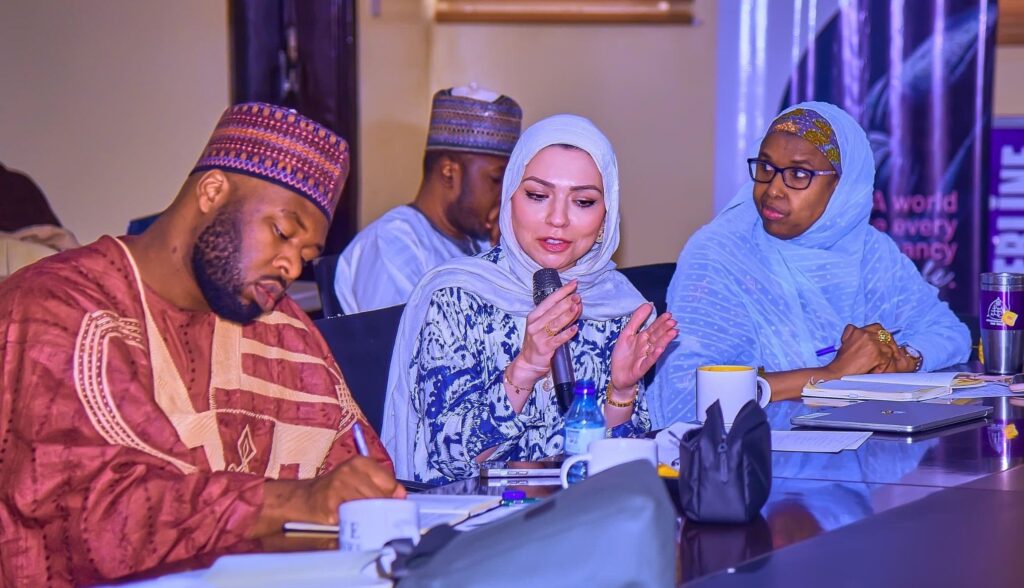
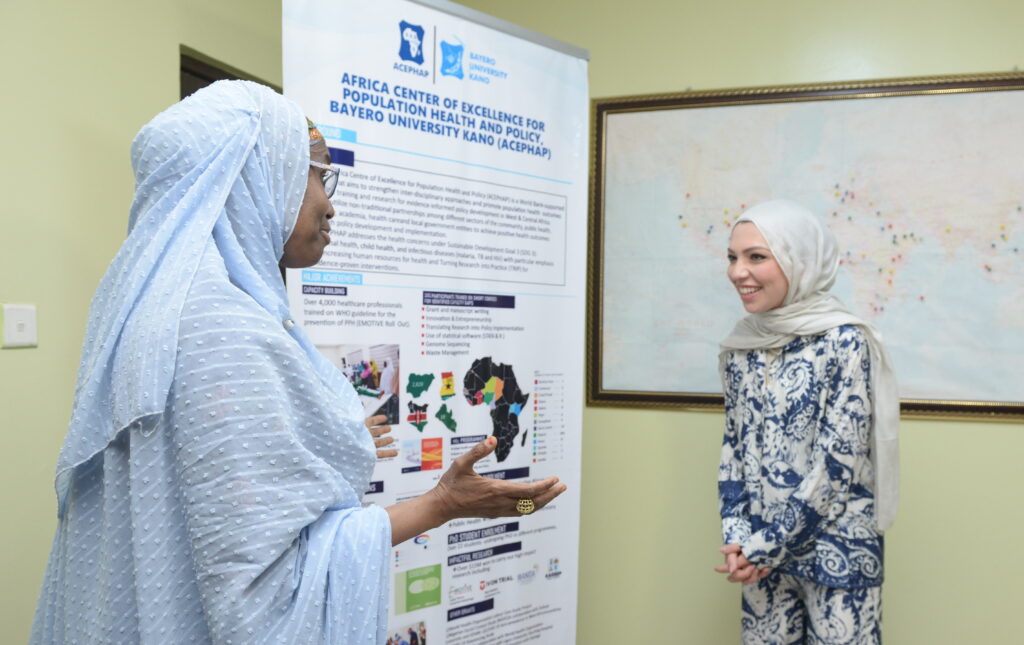
On 5 February, Islamic leaders from across all major sects gathered in a conversation facilitated by the Africa Center of Excellence for Population Health and Policy (ACEPHAP) and Every Pregnancy. Not to debate theology, but to confront one of the most urgent moral crises of our time: too many mothers dying or suffering complications from pregnancy and childbirth.
And in Nigeria, this crisis is not abstract.
Why Nigeria Matters
Nearly 1 in every 5 maternal deaths globally happens in Nigeria. With a maternal mortality ratio among the highest in the world, Nigeria is the most consequential country for reducing global maternal mortality.
Most deaths of mothers in Nigeria are preventable. Women are dying from hemorrhage, infection, hypertensive disorders, unsafe abortion, and obstructed labor, conditions that modern medicine knows how to treat. But access to skilled care and emergency services remains uneven, especially for mothers in Nigeria who are displaced due to insecurity.
Nowhere is the need to support mothers more urgent than in Kano.
Why Kano Is Different
Kano is one of Nigeria’s most populous states. It is also religiously influential. Its social fabric is deeply intertwined with Islamic scholarship, mosque-based networks, traditional authority, and religious education.
Here, faith leaders do not merely preach; they shape norms. They shape how families think about pregnancy and childbirth. They influence whether women seek care in health facilities. They guide how communities interpret religious permissibility (halal and haram) and whether public health campaigns are trusted, or dismissed
In many places, behavior change campaigns take years. In Kano, when religious leaders align, change can happen far faster.
That is what made the convening historic.
A Gathering Rooted in Faith and Responsibility
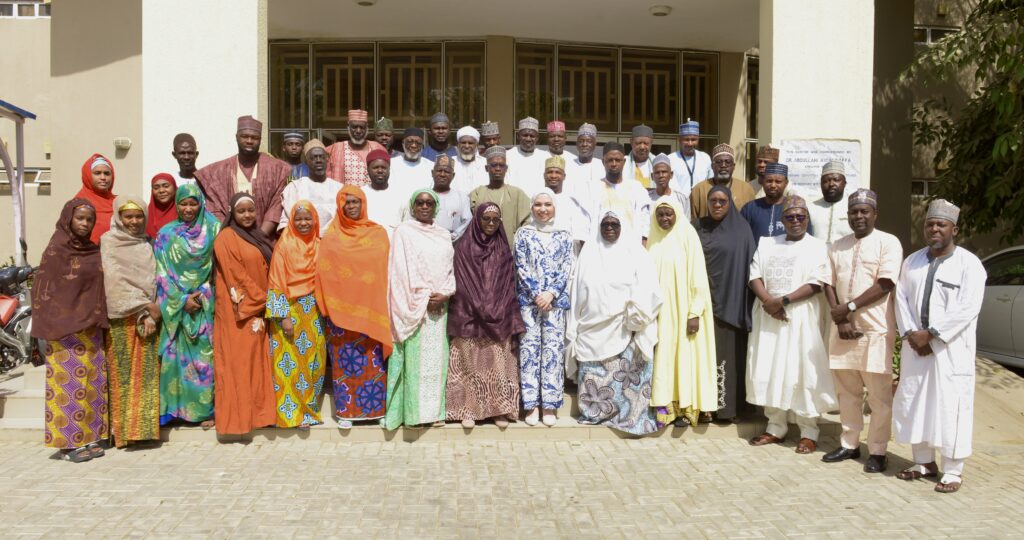
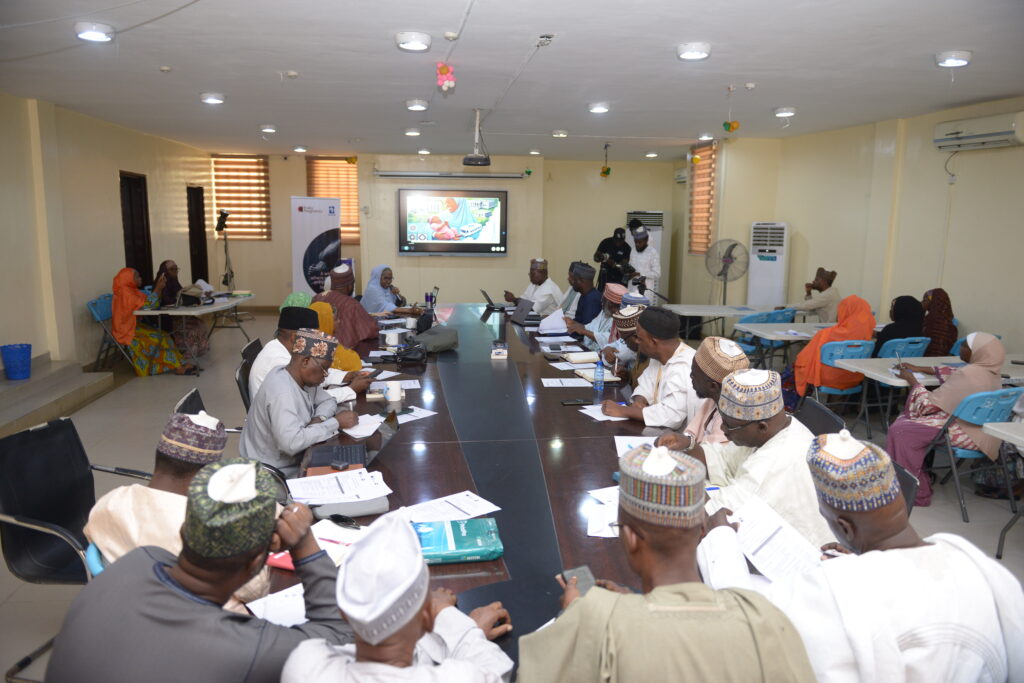
The event, themed “The Critical Role of the Nigerian Muslim Community in Reducing Preventable Maternal Deaths,” brought together: prominent clerics from all major Islamic sects in Kano, government representatives, Waqf foundations, religious agencies, and health experts.
This was not a symbolic meeting. It aimed to position faith leadership not as observers of the maternal health crisis, but as central actors in solving it.
At Every Pregnancy, we believe that change happens when those closest to communities are empowered to lead. Our broader mission has shown that faith-inspired coalitions can mobilize both moral authority and philanthropic power for mothers and newborns.
In Kano, that theory met reality.
A Sermon That Shifted the Room
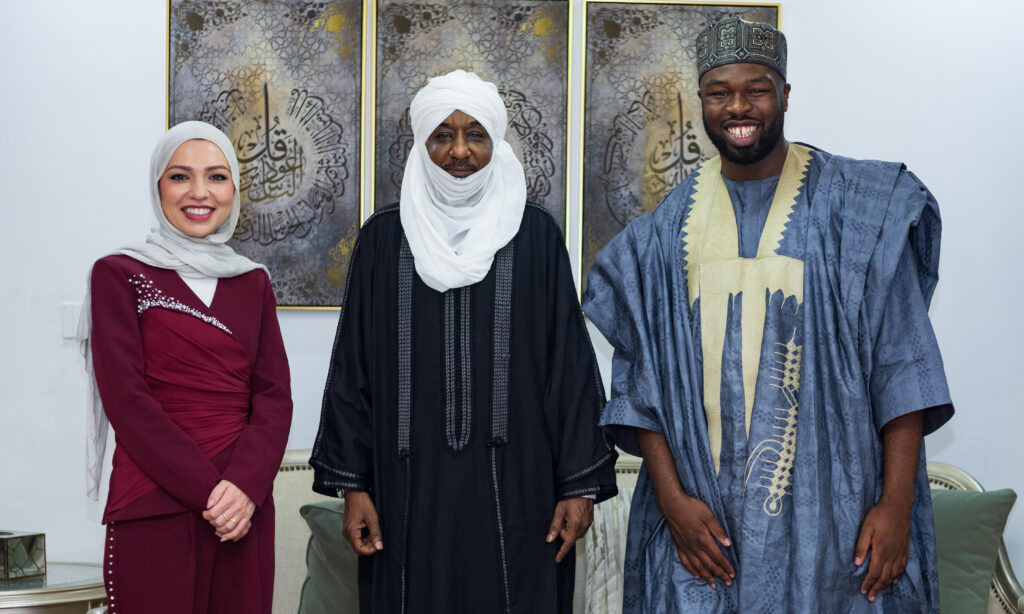
A defining moment came when Shaykh Mustapha Briggs delivered a sermon rooted in the teachings of Prophet Muhammad (SAW). He spoke about generosity, not as charity alone, but as obligation.
Drawing on the five principles of Sharia (Maqasid al-Sharia), he reminded attendees that the preservation of life and lineage are core Islamic imperatives. Protecting mothers is not optional. It is a religious duty.
He connected this call to action to Ramadan, a time when giving multiplies in both reward and impact. Safeguarding maternal and infant lives, he argued, is among the most powerful expressions of faith.
His teachings reframed maternal health not as a technical health issue, but as a spiritual and communal responsibility.
In a room filled with respected clerics from diverse sects, there was unity around a simple truth: No woman should die from preventable causes.
More Than a Meeting: A Movement Taking Root
The presence of clerics from across sectarian lines was powerful. In a context where religious diversity can sometimes divide, this gathering demonstrated shared commitment around a common cause.
Representatives from Waqf institutions and religious government agencies signaled readiness to explore faith-based philanthropic models that could sustainably fund maternal and newborn health.
This is precisely the kind of alignment Every Pregnancy was built to foster:
faith-aligned giving, evidence-based interventions, and frontline delivery working together.
When respected religious authorities speak from the pulpit about, valuing the lives of mothers, norms begin to shift.
Why This Moment Is Special
This convening in Kano represents something rare. It shows the power of cross-sect religious unity, and alignment between faith and public health.
If Nigeria is central to global maternal mortality reduction, and Kano is central to Nigeria, then faith leaders in Kano are central to global progress.
The momentum generated in this room laid the groundwork for future collaboration: sermons that will reach thousands, campaigns that will mobilize communities, and partnerships that will fund proven maternal health interventions.
This is how movements begin.
Because when faith leaders unite to protect mothers, the impact can ripple far beyond Kano. And far beyond Nigeria. Toward a world where every pregnancy is safe.