By Isra Chaker and Marleen Vellekoop
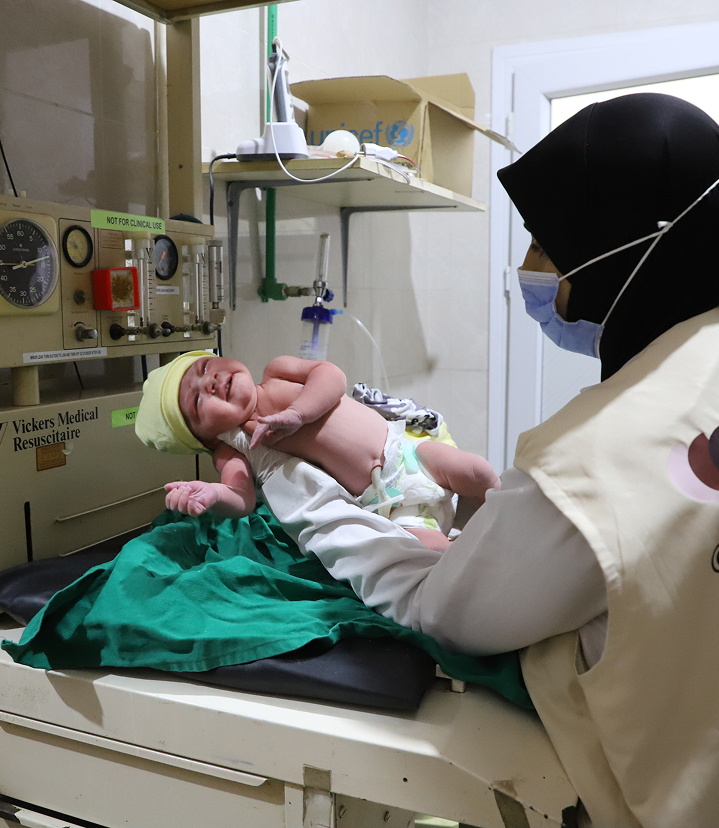
Over the past twenty years, the global maternal mortality ratio has declined by over 40% (Lancet, December 2025). That progress reflects decades of investment, innovation, and advocacy, that has saved countless lives. Yet it also reveals a deeper challenge. Since around 2015, progress has slowed, and the burden of preventable maternal deaths has become increasingly concentrated in fragile, conflict-affected, and low-resource settings.
This matters because it exposes a persistent inequity: where a woman lives, the stability of her health system, and whether she is reached by trusted institutions still largely determine her chance of surviving pregnancy and childbirth.
In other words, more equitable progress in maternal health is both urgent and possible, but it will not happen through isolated interventions alone. It requires a collective movement that aligns care, choice, trust, and resources around the lives of mothers who need this most.
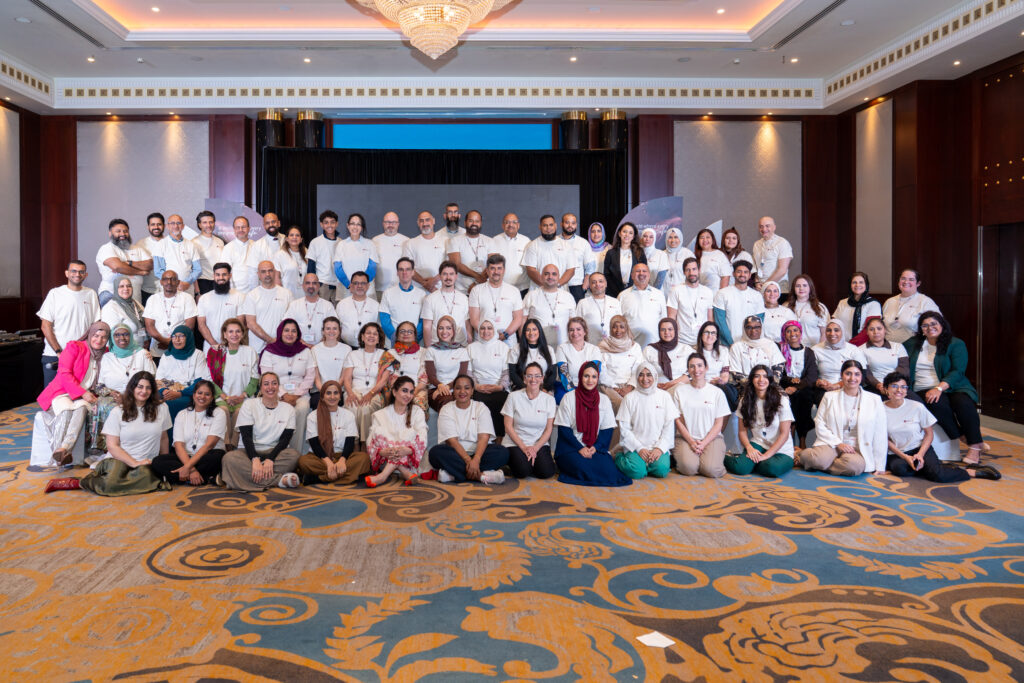
It was with this reality firmly in mind that more than 120 representatives of partner organizations and special guests working in over 20 countries, came together from December 5-7 2025 for the annual Every Pregnancy Partner Convening.
Why this moment mattered
This convening took place at a time when incremental change is no longer enough. The evidence is clear: without a significant change in how we work together, maternal mortality will remain tragically high in precisely the places where women face the greatest risk.
Rather than focusing on visibility or announcements, the convening created a different kind of moment: one designed for alignment, honesty, and providing space to ‘roll up our sleeves’ collectively to confront the toughest challenges. It brought together clinicians, implementers, humanitarian responders, religious scholars, funders, and advocates who work to save lives of mothers in referral hospitals, primary health clinics, displacement camps, and communities living through conflict and climate shocks.
What united the room was not a single model or geography, but a shared understanding that fragmented approaches will not deliver faster or fairer progress.
Partnership as a discipline
One of the defining features of the convening was the seriousness with which partnership was treated.
This was not ‘collaboration’ as a slogan. It was collaboration as a discipline. Partners listened carefully, challenged assumptions, and worked through difficult questions: about equity, communicating impact, measurement, latest medical innovations, and the realities of saving lives of mothers in humanitarian settings. Many of the most consequential conversations happened outside formal sessions, where trust allowed vulnerability and problem-solving.
Such trust does not emerge by accident. It is built through consistency, transparency, and a willingness to share failures as openly as successes. In a sector that often rewards speed and visibility, this kind of partnership requires intention and it enables faster, more durable progress.
Muslim faith as a unifying force
Faith was a central thread throughout the convening, and it is important to be explicit about what that means in this coalition.
Every Pregnancy brings together organizations and individuals guided by the Muslim faith, drawing on Islamic values of compassion (rahma), justice (adl), and collective responsibility (amanah) to advance maternal and newborn health. This is not about symbolism. It is about mobilizing a shared moral framework that resonates deeply across communities and borders.
In practice, this faith-based alignment enables organizations that might otherwise work in parallel to collaborate with trust. When paired with scientific evidence and programmatic rigor, this approach ensures that resources reach women others struggle to serve.
Innovation grounded in lived realities
Innovation was central to the three days. Partners focused on how to scale what is already known to save lives by improving postpartum hemorrhage prevention, availability of portable ultrasounds in conflict zones, maternal mental health support, and more sustainability by adapting these interventions to the realities of fragile health systems.
What stood out was that that novelty was not chased for its own sake, but that critical questions were asked about how this would improve reach, quality, and equity, especially for women who are routinely excluded from care.
What comes next: three actions to accelerate change
The convening did not end with reflection alone. It ended with resolve.
Across three days, one message became unmistakably clear: change is possible if we move together to advance three concrete and immediate collective actions:
- Mobilize $50 million this Ramadan for mothers and babies at the frontlines
This coalition has set an ambitious but achievable goal: to mobilize $50 million during the upcoming Ramadan 2026 campaign, otherwise known as the For Mama Challenge, to fund life-saving maternal and newborn health care in the world’s most fragile settings.
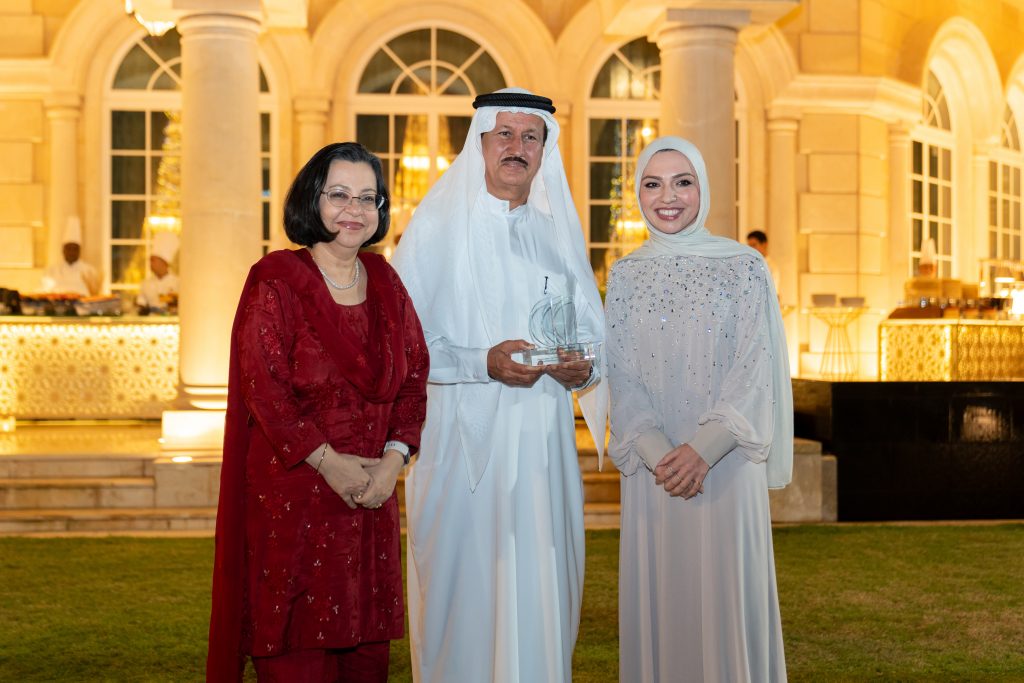
During the convening, partners gathered for a dinner hosted with extraordinary generosity by Hussain Sajwani, Chairman of the DAMAC Group. That evening marked a pivotal moment for the coalition: the announcement of a match fund of up to $10 million, supported by the Gates Foundation and the DAMAC Foundation.
This commitment sends a powerful signal: every dollar raised this Ramadan can go further, faster, multiplying impact for mothers and babies who need this urgently. - Equitably leverage the power of our faith-inspired movement
Partners committed to working as a movement rather than a collection of projects. That means aligning around shared goals, holding one another accountable for results, and continuing to invest in trust, across organizations, countries, and communities. It means moving with speed, without sacrificing equity or rigor. We agreed on new ways to ensure resources and capacity in the coalition are shared to achieve more impact, together. - Accelerate the reach of life-saving innovations across all priority countries in 2026
During the coming year, our partners will work together to ensure that the latest, proven innovations in maternal and newborn health reach the women who need them most, faster and at scale. In 2026, this means moving beyond pilots and pockets of excellence to collective delivery across countries where there is most need and most opportunity for progress.
The convening made clear that when we act together by sharing evidence, removing barriers, and backing what works, we can close the gap between innovation and impact.We left our convening with more than optimism. We left with evidence that a different way of working is already taking shape and that change is being implemented across our unique coalition: because when we choose to move together,invest boldly, and refuse to accept slow progress as inevitable, we will end maternal mortality in our lifetime.