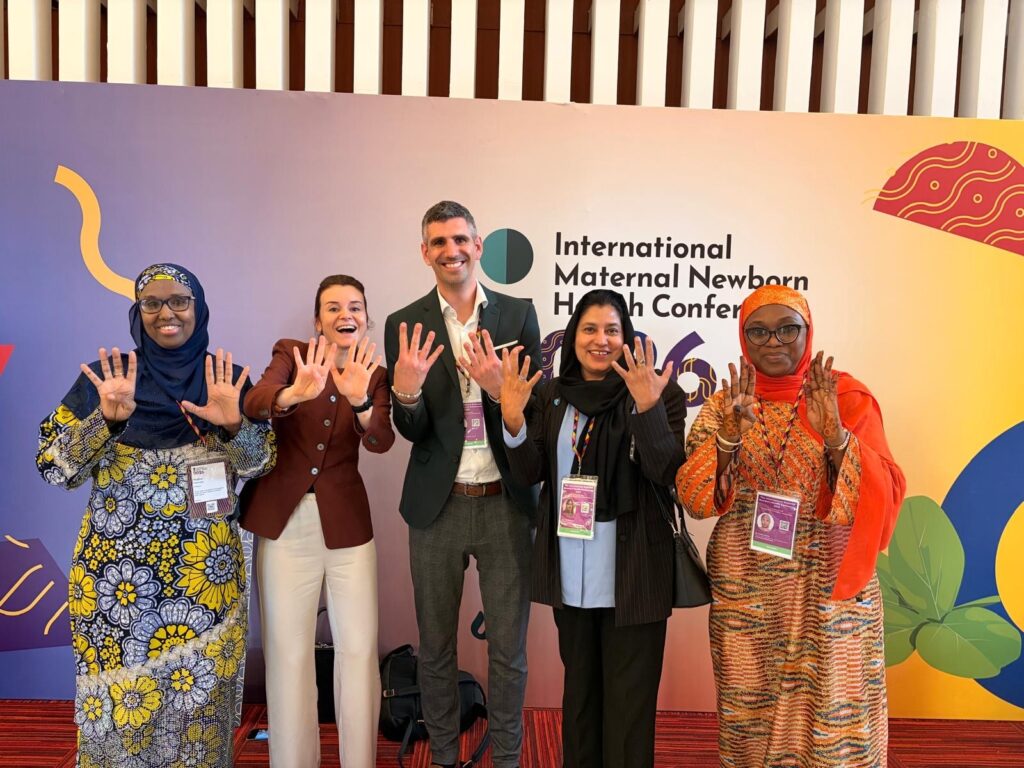
Reflections following IMNHC 2030
A week after the International Maternal and Newborn Health Conference, a familiar pattern comes into focus: the solutions to reduce maternal deaths are increasingly well understood, but their reach remains uneven. In sub-Saharan Africa and South Asia, 83% countries are not on track and a growing share of maternal deaths are concentrated in fragile and conflict-affected settings.
With four years left to meet the SDG targets, fewer than 70 maternal deaths per 100,000 live births, the issue is how to connect the promise of the discovery of new tools and medicines, to those that deliver these to mothers who need them most.
This shift is not incidental. It is reshaping the nature of the challenge.
Where the Burden Is Shifting
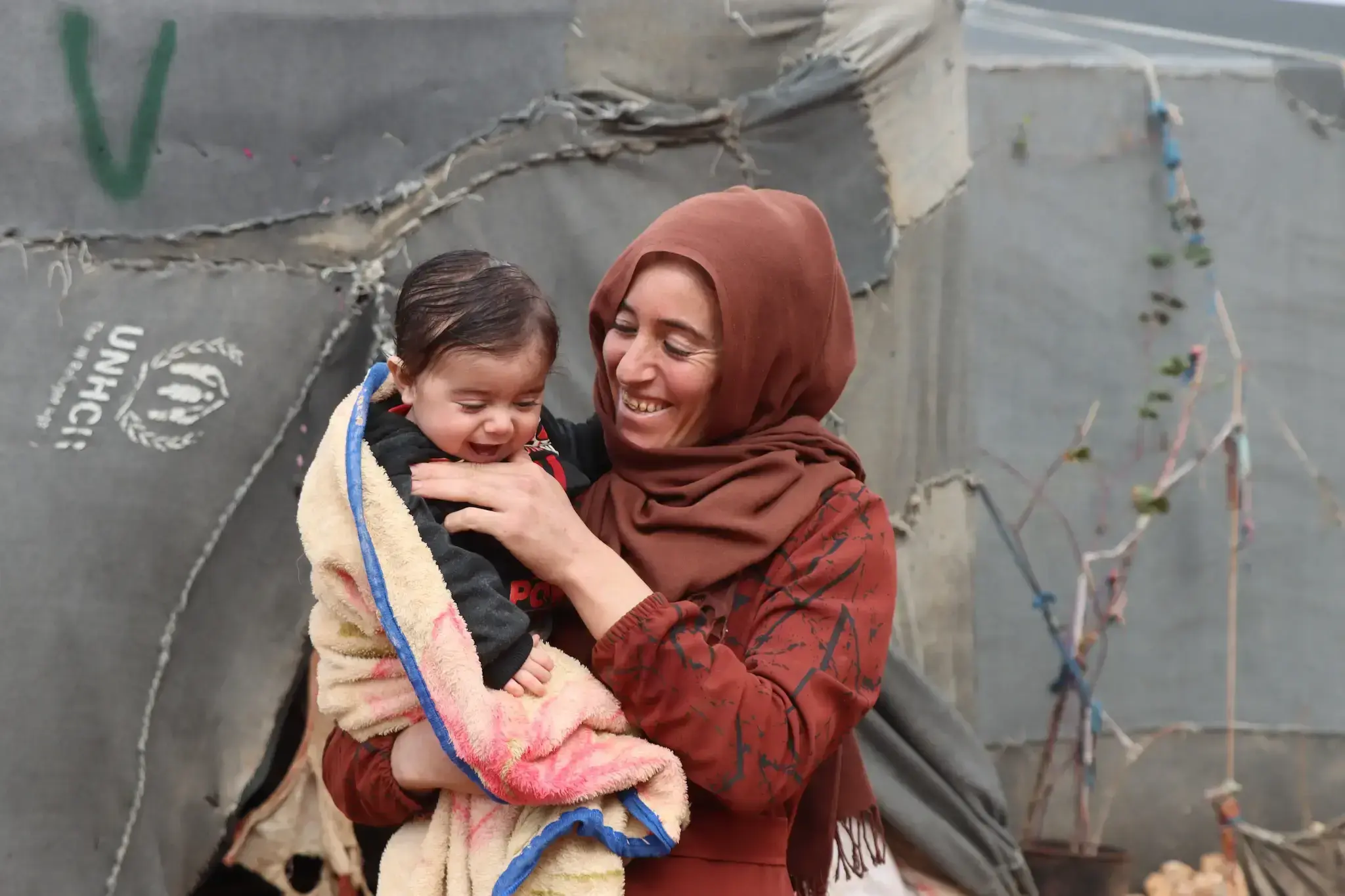
In contexts such as Northern Nigeria, Mali, Sudan, Syria, Yemen, Gaza, health systems are destroyed or operating under sustained pressure. Facilities have been damaged or closed, health workers sacrifice their lives to serve mothers, and supply chains disrupted. In these environments, continuity of care, essential for safe pregnancy and childbirth, is difficult to maintain and often under attack.
As crises become more protracted, these settings are no longer peripheral to maternal health: they are central to it.
This has implications for how progress is assessed. Global targets remain averages and focused on national level performance, but outcomes are increasingly shaped by what happens in the most fragile, sub-national contexts. The constraints in these contexts lies with how interventions are financed, delivered, and sustained.
Innovation Has Advanced. Adoption Has Not Kept Pace
The Innovation Marketplace at the IMNHC 2026 conference reflected a shift towards context-aware design: portable diagnostics, solar-powered equipment, and AI tools that extend clinical diagnosis and decision-making to lower-skilled health workers.
These are such exciting practical responses to real-world constraints!
Yet deployment remains uneven. Many of these solutions are still concentrated in pilot phases or limited rollouts. Moving beyond this requires alignment with procurement systems, financing models, and delivery partners that can operate in complex environments.
A System That Does Not Fully Converge
Funding, innovation, and delivery are all evolving, but not always in alignment.
Funding flows are often shaped by risk considerations that make fragile settings harder to support at scale. Innovation continues to generate relevant tools, but pathways into routine use remain fragmented. Delivery depends on actors embedded in communities, yet these actors do not consistently have access to capital or technology.
Fragmentation, in this sense, is not only a coordination issue: it is structural. Different parts of the system operate on different timelines, incentives, and thresholds for risk.
The result is a persistent gap between what exists and what is consistently delivered.
Emerging Financing Pathways
At the same time, the financing landscape is beginning to shift.
As traditional aid budgets face competing demands, alternative sources of funding, philanthropy, including faith-based giving, are becoming more prominent. These flows are often more flexible and, in some cases, better suited to operating in complex environments.
During the conference, Shaykh Mustafa Briggs brought attention to the immense power of Islamic philanthropic giving. Its emphasis on supporting the most vulnerable aligns closely with the distribution of maternal mortality.
Our Every Pregnancy coalition shows what is possible if this generosity is leveraged for mothers and newborns.
As a global, faith-inspired coalition, we channel philanthropic funding towards maternal and newborn health programs in underserved settings. Crucially, we do so through organisations already embedded in communities, with the relationships and access needed to deliver care under constrained conditions.
This model does not replace public systems. But it complements them, particularly where conventional mechanisms face operational limits.
It also illustrates a broader point: that financing, delivery, and trust are most effective when they are closely connected.
Towards Better Integration
What follows is less about new solutions than about integration.
Three areas stand out.
- First, financing models need to reflect context. Mechanisms that allow for flexibility, longer time horizons, and pooled risk are more likely to sustain delivery in fragile settings.
- Second, innovation needs earlier linkage to delivery systems. Designing for low-resource environments must be matched by investment in procurement and implementation pathways
- Third, delivery should invest in existing networks. In high-burden settings, organizations with established presence and trust are not peripheral: they are the delivery system. Yet they remain under-resourced and under-connected. Technology offers a practical way to close this gap: enabling faster disbursement of funds, improving visibility on impact, and extending clinical decision-making to the frontlines. Without this layer of support, even the most effective networks will struggle to operate at scale.
The Final Phase Before 2030
As 2030 approaches, the emphasis is likely to shift further towards implementation.
Progress will depend less on new commitments than on how effectively existing tools are deployed, particularly in the contexts where needs are greatest and delivery is most complex.
The tools are available. The question is whether systems can align around their consistent use.
For women in the highest-risk settings, that alignment is what determines whether we continue to stagnate or accelerate.
With gratitude,
Marleen Vellekoop, COO